Research suggests that up to 93% of communication effectiveness is determined by non-verbal cues, with only 7% attributed to the actual words spoken. While these specific percentages are debated, the underlying truth remains: body language profoundly influences how your message is received and how others perceive your credibility, confidence, and competence.
The Foundation: Posture and Presence
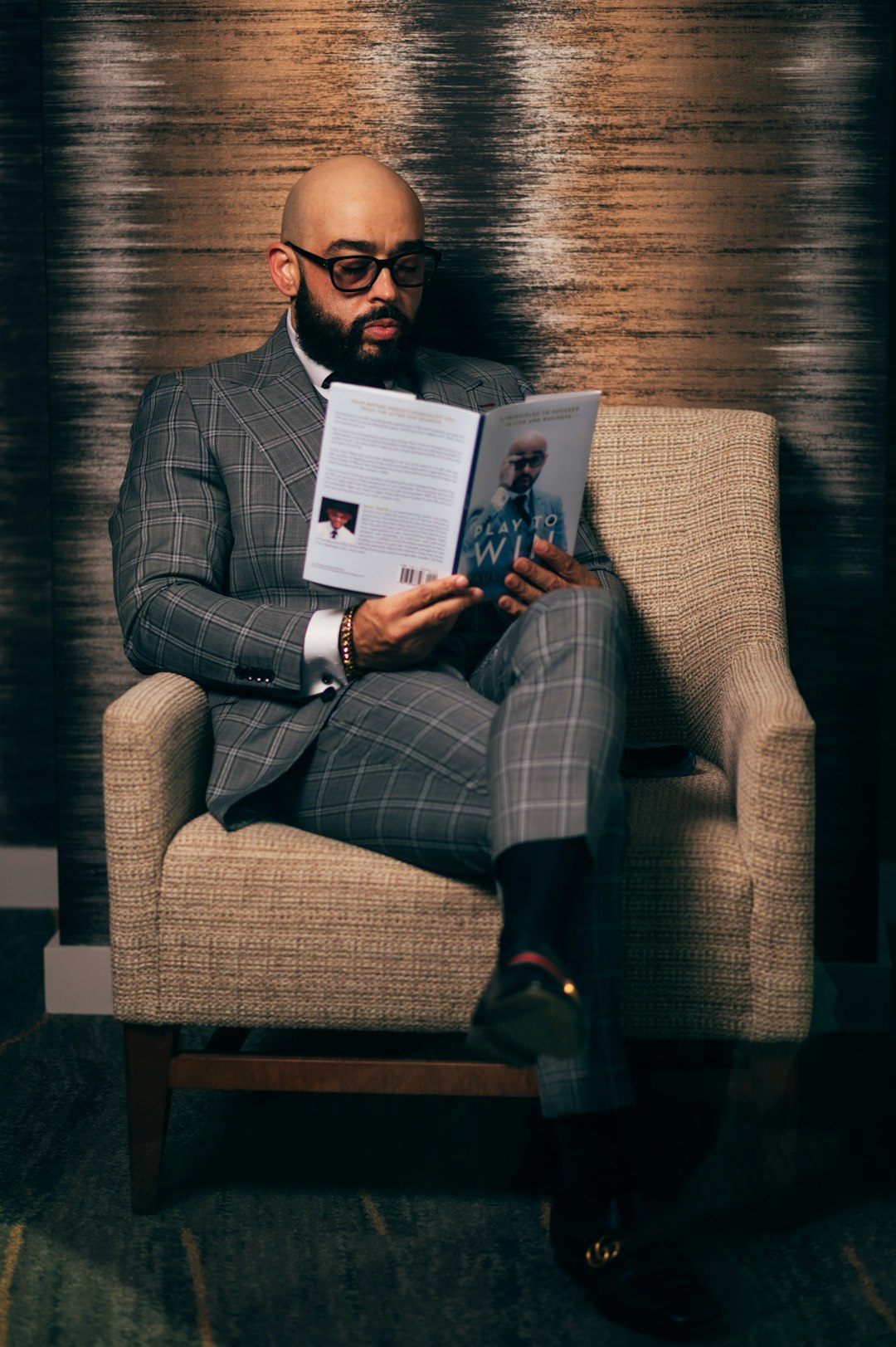
Your posture communicates volumes before you speak a single word. Standing or sitting upright with shoulders back projects confidence and authority. Conversely, slouching, hunching, or making yourself smaller suggests uncertainty or low self-esteem. Good posture isn't about rigidity; it's about being grounded and centered, occupying your space comfortably.
When standing, distribute your weight evenly on both feet rather than shifting constantly or leaning on one leg. This stability translates into perceived reliability and presence. In seated situations, sit back in your chair rather than perching on the edge, which can signal anxiety or eagerness to escape.
Eye Contact: Connection and Credibility
Eye contact is one of the most powerful non-verbal tools for building trust and demonstrating engagement. In Western business contexts, maintaining appropriate eye contact signals confidence, honesty, and interest. However, there's a balance to strike—too little eye contact suggests discomfort or dishonesty, while excessive staring feels aggressive or uncomfortable.
A useful guideline is maintaining eye contact for about 60-70% of a conversation, breaking occasionally to avoid intensity. When presenting to groups, make eye contact with different individuals throughout the room, creating connection with the entire audience rather than focusing on one or two people.
Facial Expressions: Authenticity and Engagement
Your face is incredibly expressive, capable of displaying subtle emotions that reinforce or contradict your words. Authentic facial expressions that match your message enhance credibility, while incongruent expressions create confusion and distrust. A genuine smile, for instance, engages muscles around the eyes, not just the mouth.
Be mindful of unconscious facial expressions that might undermine your message. Furrowing your brow while saying you're open to ideas, or forcing a smile while discussing serious concerns, sends mixed signals. Practice awareness of your default expression—some people have naturally serious or anxious resting faces that benefit from conscious adjustment in professional settings.
Gestures: Emphasis and Clarity
Hand gestures serve multiple functions: they emphasize points, illustrate concepts, and channel nervous energy productively. Natural gestures that align with your words make communication more dynamic and memorable. However, excessive or distracting movements can detract from your message.
Effective gestures occur in the "gesture zone"—roughly between your waist and shoulders, and within your body width. Gestures above your shoulders or far from your body can appear frantic, while keeping hands completely still or hidden suggests discomfort. Practice gesturing naturally while maintaining awareness of your movements.
Spatial Awareness: Respect and Authority
Proxemics—the use of personal space—varies across cultures but remains important in all professional contexts. In business settings, maintaining appropriate distance shows respect while positioning yourself effectively can enhance your authority. Standing too close invades personal space and creates discomfort; standing too far can seem aloof or disengaged.
In Western business environments, the typical professional distance is about 4-12 feet for formal interactions, and 1.5-4 feet for more personal business conversations. When presenting, moving purposefully around the space creates energy and maintains audience engagement, while remaining rooted in one spot can feel static.
Mirroring: Building Rapport
Subtle mirroring—matching another person's body language, tone, or pace—naturally occurs in positive interactions and builds rapport. When done consciously but subtly, mirroring can enhance connection and trust. This might involve matching someone's energy level, adopting a similar posture, or aligning your speaking pace with theirs.
The key is subtlety. Obvious copying feels manipulative and undermines trust. Instead, notice the general demeanor of others and gradually align your approach, creating harmony without sacrificing authenticity.
Common Body Language Mistakes
Certain behaviors consistently undermine professional presence. Crossed arms often signal defensiveness or closed-mindedness, even when you simply feel comfortable in that position. Fidgeting—pen clicking, hair touching, foot tapping—distracts audiences and signals nervousness. Looking at your phone or watch during conversations communicates disinterest and disrespect.
Weak handshakes create negative first impressions, suggesting lack of confidence or interest. A firm but not crushing handshake, combined with eye contact and a genuine smile, establishes a positive foundation for professional interactions. Practice with trusted colleagues to ensure your handshake conveys confidence appropriately.
Cultural Considerations
Body language norms vary significantly across cultures. What signals confidence in one culture might be considered aggressive or disrespectful in another. Direct eye contact, for example, is valued in Western business culture but can be seen as confrontational in some Asian cultures. Personal space expectations differ dramatically around the world.
When working in multicultural environments, research cultural norms and observe how colleagues from different backgrounds use body language. When uncertain, err on the side of formality and respect, adjusting as you learn more about specific cultural expectations.
Developing Body Language Awareness
Most people remain largely unconscious of their body language habits. Recording yourself during practice presentations or meetings provides valuable insights into your non-verbal patterns. You might discover distracting movements, facial expressions, or posture issues you didn't realize you exhibited.
Ask trusted colleagues for specific feedback about your body language. Rather than vague questions like "How do I come across?" ask targeted questions: "Do I make adequate eye contact?" or "Are my gestures natural and appropriate?" This specific feedback helps you identify concrete areas for improvement.
Conclusion
Mastering body language isn't about manufacturing artificial behaviors or rigidly controlling every movement. It's about becoming aware of the non-verbal messages you send and ensuring they align with your verbal communication. When your words and body language work in harmony, you communicate with greater impact, build stronger relationships, and project the professional presence you desire.
Remember that effective body language feels natural because it authentically reflects your message and emotional state. Focus on the fundamentals—good posture, appropriate eye contact, and genuine facial expressions—and let the rest flow naturally as you become more comfortable in professional situations.
If you'd like personalized feedback on your body language and overall communication presence, our coaches at StratoVision provide video analysis and practical exercises to help you develop awareness and make strategic improvements. Contact us to learn more about our communication coaching programs.